
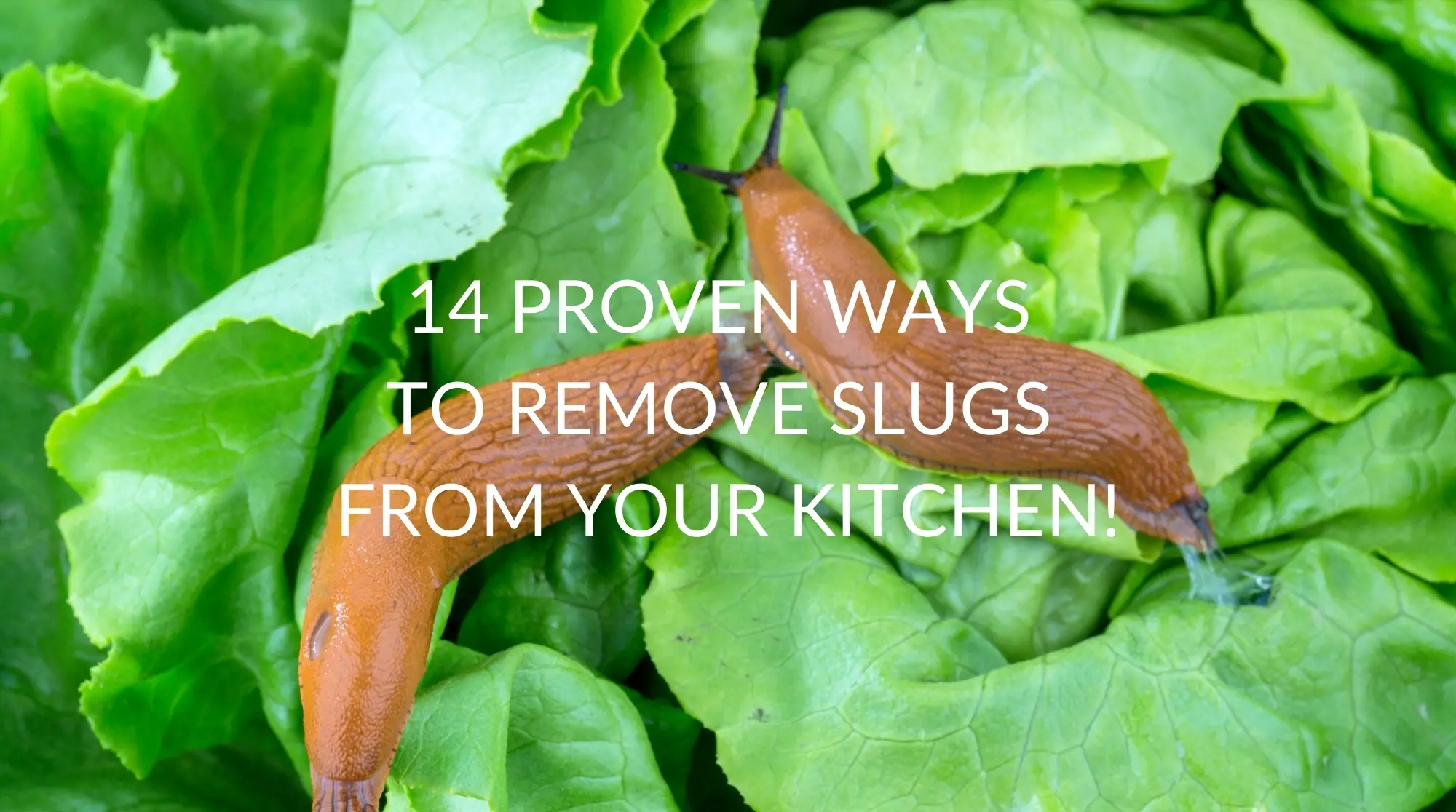
Slugs in the kitchen are looking for moisture, shade and food, and they get in through small gaps: under doors, around pipes where they pass through walls and floors, and behind appliances. They come out at night, which is why you find slime trails, or a slug in the sink or dishwasher, in the morning. To stop them, remove each slug, seal the gaps they use, fix leaks and damp spots, and clear their hiding places outside the wall they are coming through.
Why are slugs in your kitchen?
UC IPM’s guide to snails and slugs explains that they are most active at night and on cloudy or damp days, and hide in cool, shady, moist places during the day. A kitchen offers all of that:
- Moisture. Leaks under the sink, a dripping dishwasher connection, condensation behind the fridge and damp mats.
- Darkness and shelter. The back of base cabinets, the space under appliances and the void behind the toe-kick panel.
- Food. Pet food left out overnight, vegetable scraps, compost caddies and crumbs.
- Easy access. Older homes, ground-floor kitchens and kitchens next to damp gardens, patios or crawl spaces are the usual places.
- Weather. Problems often start in wet spells, when slugs are most active outdoors.
How slugs are getting in
- Gaps around pipes. Where water and drain pipes pass through the wall or floor under the sink, there is often an unsealed gap.
- Under exterior doors. Worn door sweeps and thresholds leave a gap a slug can squeeze through.
- Vents and weep holes. Damaged or missing covers on foundation and dryer vents.
- Cracks in walls and floors, including gaps behind baseboards and cabinets.
- Behind appliances, where hoses and cables pass through to the outside.
To find the route, look for slime trails in the morning, which dry to a silvery sheen. Follow them back to where they start. A flashlight check an hour or two after dark often catches slugs on the move.
Slugs in the sink
A slug in the sink has usually climbed up from the cabinet below, not come up the drain. Water in the drain trap normally blocks the pipe. Check under the sink for a gap around the pipes, damp cabinet floors and leaks. Put the plug in overnight while you seal the gap.
If what you are seeing is small, thin and dark, wriggling in the drain or on the sink, it is probably not a slug. Drain fly larvae and other drain worms often show up in sinks. See black worms in the sink and whether drain worms are harmful.
Slugs in the dishwasher
Dishwashers are dark, damp and full of food residue between cycles. Slugs usually reach them through gaps behind the appliance or around the drain and water lines in the cabinet next to it.
- Remove the slug with a paper towel or gloves.
- Clean the filter at the bottom of the tub and wipe the door seal, where food residue builds up.
- Run a normal hot cycle with your usual detergent. Do not add bleach unless your dishwasher manual allows it, and never mix bleach with other cleaners.
- Pull the dishwasher out if you can, or remove the toe-kick panel, and look for gaps where the hoses pass through the cabinet or wall. Seal them.
- Keep the door closed between loads, and do not leave dirty dishes sitting for days.
How to remove slugs
Pick them up with gloves or a paper towel. UC IPM recommends gloves when handpicking. Seal them in a plastic bag for the trash, or drop them in a container of soapy water. Wash your hands afterward. Do not use salt. It is messy, and outdoors UC IPM warns it increases soil salinity.
How to keep slugs out of your kitchen
- Seal entry points. Fill gaps around pipes with sealant or expanding foam, replace worn door sweeps and weatherstripping, and repair damaged vent covers.
- Fix leaks and dry damp areas. Repair drips under the sink and around the dishwasher, and improve ventilation or use a dehumidifier in damp kitchens.
- Remove food at night. Pick up pet bowls, empty compost caddies and wipe up crumbs.
- Clear hiding spots outside. UC IPM recommends removing boards, stones, flowerpots, debris and dense ground cover where slugs hide during the day. Focus on the wall outside the kitchen.
- Use copper tape at the threshold. UC IPM says copper barriers are among the easiest to maintain. A strip along an outside door threshold can deter slugs.
- Keep plant pots away from the house, and check pots before bringing plants inside.
- Trap or bait outside, not inside. UC IPM describes boards raised on 1-inch runners as traps you check daily. If you use bait outdoors near walls, UC IPM says iron phosphate baits are safer around dogs, children and wildlife, while metaldehyde baits can be poisonous to dogs and birds. Always read the label.
What does not work well
- Crushed eggshells and coffee grounds. UC IPM says these have not been shown to be effective deterrents.
- Diatomaceous earth. UC IPM notes it loses effectiveness once damp, which makes it a poor choice in a damp kitchen or doorway.
- Plants that “repel” slugs. There is little evidence that herbs on a windowsill keep slugs out.
- Bird feeders. Birds eat some slugs, but feeders also attract rodents. Not worth it for slug control.
Are slugs in the house harmful?
Slugs do not bite or sting. They can carry parasites, including rat lungworm in some warmer regions, so wash your hands after handling them, do not let them crawl on food or dishes, and wash any produce they may have touched. Rewash dishes a slug crawled on.
For slugs in other rooms, see how to prevent slugs in your bathroom.
FAQ
Why do I find slime trails but no slugs?
Slugs come out at night and hide during the day, often behind units or under appliances. Check with a flashlight after dark.
Can slugs come up through the sink drain?
Rarely. The water in the trap blocks the drain. They usually climb in from gaps around the pipes in the cabinet below.
Why are there slugs in my dishwasher?
Dishwashers are damp, dark and hold food residue. Slugs get in through gaps behind the appliance. Clean the filter, run a cycle and seal the gaps.
What kills slugs instantly?
Dropping them in soapy water. Indoors, removing and disposing of them by hand is simplest. Avoid salt.


